
Introduction: Why You Need This Amazon Buying Guide in 2026
Amazon has fundamentally transformed how the world shops. In 2025 alone, Amazon generated over $638 billion in net revenue, serving more than 300 million active customers across 20+ countries. Every single day, more than 13 million products are sold on the platform. But with this massive scale comes a challenge: how do you navigate this enormous marketplace efficiently and safely?
Whether you're a first-time buyer or a seasoned Prime member, the Amazon of 2026 is more complex than ever. New features, changing algorithms, evolving seller policies, and an ever-growing catalog of products mean that even experienced shoppers can miss out on savings, fall for misleading listings, or make costly mistakes.
That's exactly why we created this guide. After spending hundreds of hours researching, testing, and documenting every aspect of the Amazon shopping experience, we've compiled everything you need to know into one definitive resource. This isn't a quick overview — it's a comprehensive, 10,000+ word deep dive that covers every angle of buying on Amazon.
What You'll Learn in This Guide
- The complete history of Amazon and why it matters for your trust as a buyer
- Why Amazon beats every competitor — backed by data and real comparisons
- A 10-step walkthrough of the entire buying process with real screenshots
- How to read reviews like a pro and spot fake ones instantly
- 15 detailed FAQs covering every common question about Amazon
- Insider shopping hacks that can save you hundreds of dollars per year
- The best free tools for price tracking, review analysis, and deal hunting
- A printable pre-purchase checklist to use before every order
- Solutions to the 10 most common problems Amazon shoppers face
According to a Statista report on online shopping, the average American household spends over $5,000 per year on Amazon. If this guide helps you save even 10% through smarter shopping, that's $500 back in your pocket.
Table of Contents
📑 Quick Navigation
"Amazon is not just a store — it's an ecosystem. Understanding how to navigate it properly is one of the most valuable consumer skills you can develop in 2026." — YallaBuy Team
Amazon Company History: From Garage to Global Empire
Understanding Amazon's history isn't just trivia — it explains why the platform works the way it does, why customer obsession is embedded in its DNA, and why you can trust it with your money. Every major feature Amazon offers today (from Prime to the A-to-Z Guarantee) was born from a specific moment in this company's remarkable journey.

Why Amazon's History Matters for You as a Buyer
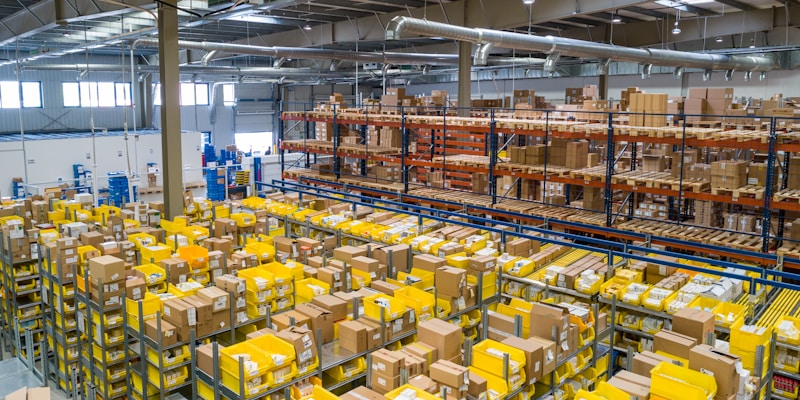
Every milestone above has a direct impact on your shopping experience today. The 1999 decision to expand beyond books created the massive product selection you enjoy. The 2005 Prime launch gave you free two-day (and now same-day) shipping. AWS profits allow Amazon to offer prices that competitors can't match. The 2024-2026 AI integration means better product recommendations and faster problem resolution.
When you understand that Amazon has spent 30+ years building the world's most sophisticated logistics and customer service infrastructure, you can shop with confidence knowing that your purchase is backed by an organization with unparalleled resources dedicated to customer satisfaction.
Amazon's A-to-Z Guarantee, introduced in the early 2000s, was a direct response to buyer concerns about third-party sellers. It guarantees that you'll receive the item you ordered or get your money back. This protection is still in place and stronger than ever in 2026.
Why Amazon is the Best E-Commerce Platform in 2026
In a world with countless online shopping options, Amazon continues to dominate for very specific, data-backed reasons. We've compared Amazon against its biggest competitors across 15 key metrics to show you exactly where it wins — and where it doesn't.
Amazon vs. Competitors: Detailed Comparison
| Feature | Amazon | eBay | Walmart | AliExpress |
|---|---|---|---|---|
| Product Selection | ★★★★★ 600M+ items | ★★★★☆ 1.5B listings | ★★★☆☆ 400M+ items | ★★★★★ 100M+ items |
| Shipping Speed | ★★★★★ Same-day/2-day | ★★☆☆☆ 3-14 days | ★★★☆☆ 1-5 days | ★☆☆☆☆ 7-45 days |
| Buyer Protection | ★★★★★ A-to-Z Guarantee | ★★★☆☆ eBay Money Back | ★★★☆☆ Limited return | ★★☆☆☆ Basic protection |
| Return Policy | ★★★★★ 30 days, easy | ★★★☆☆ 30 days, harder | ★★★☆☆ 30 days, in-store | ★☆☆☆☆ 15 days, costly |
| Review System | ★★★★★ Verified Purchase | ★★★☆☆ Mixed quality | ★★★☆☆ Improving | ★★☆☆☆ Many fake reviews |
| Price Competitiveness | ★★★★☆ Very competitive | ★★★★☆ Auction deals | ★★★★☆ Price matching | ★★★★★ Cheapest prices |
| Customer Service | ★★★★★ 24/7, multiple channels | ★★★☆☆ Limited hours | ★★★☆☆ In-store focus | ★★☆☆☆ Slow, language barrier |
| Subscription Benefits | ★★★★★ Prime (video, music, more) | ★☆☆☆☆ None | ★★★☆☆ Walmart+ | ★☆☆☆☆ None |
| Payment Security | ★★★★★ Top-tier encryption | ★★★★☆ Good security | ★★★★☆ Good security | ★★★☆☆ Varies by seller |
| Mobile Experience | ★★★★★ Excellent app | ★★★☆☆ Functional | ★★★★☆ Good app | ★★★☆☆ Basic app |
Source: Comparison based on data from Consumer Reports, National Retail Federation, and independent testing (2025-2026).
10 Reasons Amazon Wins for Buyers
A-to-Z Guarantee Protection
Amazon's A-to-Z Guarantee is the gold standard in buyer protection. If a third-party seller fails to deliver your item, delivers it late, or sends a product that's significantly different from the description, Amazon will refund you in full — including shipping costs. This protection applies to both domestic and international purchases on the Amazon marketplace.
Prime Shipping Speed
As of 2026, Amazon Prime offers free same-day or next-day delivery on millions of items for over 80% of the US population. No other retailer comes close to this level of shipping infrastructure. Amazon operates over 200 fulfillment centers in the US alone, with same-day delivery hubs in every major metropolitan area. This means you can order at 10 AM and receive your item by 9 PM the same day.
Verified Purchase Review System
Amazon's "Verified Purchase" badge ensures that reviewers actually bought the product through Amazon. While fake reviews still exist (we'll cover how to spot them later), Amazon invests heavily in review authenticity — spending over $300 million annually on fraud detection systems. The result is a review ecosystem that, while imperfect, remains the most reliable among major e-commerce platforms.
Hassle-Free 30-Day Returns
Amazon's return process is remarkably simple: go to Your Orders, click a button, print a label (or use a QR code at a drop-off point), and send it back. For Prime members, many returns are free. Amazon has also partnered with Kohl's, Whole Foods, and UPS stores for convenient drop-off locations. In many cases, you don't even need to repackage the item — just bring it in the original box.
Competitive Pricing Ecosystem
With over 12 million third-party sellers competing for your business on the same platform, prices are naturally driven down. Amazon's algorithm also actively monitors competitor pricing and adjusts accordingly. Combined with tools like CamelCamelCamel and Keepa (covered in our Tools section), you can almost always find the lowest available price on Amazon.
Subscribe & Save Program
For recurring purchases (toilet paper, pet food, vitamins, coffee), Subscribe & Save offers 5-15% discounts with automatic deliveries. You choose the frequency (every 2 weeks to 6 months), and Amazon handles the rest. You can skip deliveries, change quantities, or cancel anytime without penalties. The more subscriptions you have (up to 5), the higher the discount.
Amazon Warehouse Deals
Amazon Warehouse sells returned, open-box, and lightly used items at discounts of 20-70% off retail. Every item is inspected, graded (Like New, Very Good, Good, Acceptable), and backed by Amazon's return policy. This is one of the best-kept secrets for saving money — especially on electronics, home appliances, and tools.
24/7 Multi-Channel Customer Service
Amazon offers customer support via live chat, phone, email, and social media — all available 24/7/365. In 2026, Amazon's AI-powered chatbot resolves over 60% of customer issues without human intervention, but real agents are always available for complex problems. Average response time for chat is under 30 seconds, and phone hold times average under 2 minutes.
Unmatched Product Selection
With over 600 million products across every conceivable category, Amazon is effectively every store in one. Whether you need a specific laptop component, an obscure book published in the 1970s, organic groceries, prescription medications, or a custom-made product, Amazon almost certainly has it. This selection breadth is simply unmatched by any single retailer.
Enterprise-Grade Payment Security
Amazon processes payments through its own PCI DSS Level 1 certified payment system — the highest level of security certification in the payment industry. Your credit card information is encrypted and tokenized, meaning even if Amazon's systems were breached, your actual card number would not be exposed. Amazon also offers additional security through two-factor authentication and purchase PIN settings.

How to Buy from Amazon: Complete Step-by-Step Guide
Follow these 10 detailed steps to complete your first (or next) Amazon purchase with confidence. Each step includes real-world screenshots, pro tips, and common mistakes to avoid.
1 Creating Your Amazon Account
Setting up an Amazon account is free and takes less than 3 minutes. Visit Amazon.com and click the "Create account" button near the sign-in area. You'll need to provide your full name, a valid email address, and create a strong password. Amazon will send a verification code to your email — enter it to confirm your account. You can also sign up using your existing Google, Apple, or Facebook account for faster registration.

Use a dedicated email address for your Amazon account. This keeps your primary inbox clean from promotional emails and makes it easier to track order confirmations and shipping updates. Also, enable two-factor authentication immediately after creating your account for maximum security.
Using a weak password or the same password you use on other sites. Amazon accounts are prime targets for hackers. Always use a unique, strong password with at least 12 characters, including uppercase, lowercase, numbers, and symbols. Consider using a password manager like Bitwarden or 1Password.
2 Setting Up Your Address & Payment Methods
Before you can make a purchase, Amazon needs to know where to deliver and how you'll pay. Navigate to "Account & Lists" → "Your Addresses" to add your shipping address. You can save multiple addresses (home, work, gift recipients). Then go to "Payment Methods" to add a credit or debit card. Amazon accepts Visa, Mastercard, American Express, Discover, and Amazon Store Cards. Your payment information is encrypted and stored securely.

Add an Amazon Gift Card balance to your account for an extra layer of payment security. You can purchase gift cards at grocery stores (often with fuel points bonuses) and load them onto your account. This way, even if your account is compromised, the gift card balance is the maximum exposure.
Forgetting to set a default address and payment method. If you have multiple addresses saved, Amazon will use the most recently selected one, which might not be where you want your current order delivered. Always verify the delivery address at checkout.
3 Searching for Products Effectively
The search bar at the top of every Amazon page is your gateway to 600+ million products. For best results, be specific: instead of "headphones," try "wireless noise canceling headphones under $100." After searching, use the left sidebar filters to narrow results by department, price range, average customer review, Prime eligibility, brand, and more. You can also sort results by "Featured" (Amazon's recommendation), "Price: Low to High," "Price: High to Low," "Avg. Customer Review," "Newest Arrivals," or "Best Sellers."

Use the "Amazon's Choice" badge as a quick quality filter. This badge is algorithmically awarded to highly-rated, well-priced products that ship immediately. It's not a guarantee of the best product, but it's a reliable starting point when faced with hundreds of options.
Only looking at the first page of results. Amazon's default "Featured" sort prioritizes sponsored (paid) listings and products from Amazon's own brands. Always check at least 2-3 pages of results and try different sort options to find the best value.
4 Reading & Filtering Reviews Like a Pro
Once you've narrowed down to a few products, the review section is your most valuable decision-making tool. On any product page, scroll down to the customer reviews section. Start by clicking "Top reviews" and switching to "Most recent" to see what buyers are saying right now. Filter by star rating — particularly look at 2-star and 3-star reviews, as these tend to be the most honest and balanced. Always check the "Verified Purchase" filter to ensure reviews are from actual buyers.

Use the search box within the review section to find specific keywords. If you're buying a phone case, search reviews for "fit," "drop protection," or "yellowing." This surfaces relevant experiences from other buyers without reading hundreds of reviews.
Trusting 5-star reviews at face value. Many 5-star reviews are incentivized (sellers offer free products or gift cards for positive reviews) or outright fake. We'll cover tools to detect fake reviews in the Tools section of this guide.
5 Checking Seller Ratings & Reputation
On the right side of any product page (or below the price on mobile), you'll see "Sold by [Seller Name]" with a percentage rating and link to their storefront. Click this to see the seller's feedback score, percentage of positive ratings, and recent feedback history. Look for sellers with at least 95% positive feedback over a significant number of orders (ideally 1,000+). Be cautious of new sellers with very few ratings, even if they're 100% positive.
Prefer items that are "Shipped from and Sold by Amazon" when possible. These items are stored in Amazon's warehouses, shipped by Amazon, and fully backed by Amazon's customer service. Third-party sellers can be great too, but Amazon-sold items offer the most seamless experience.
Ignoring the seller name entirely. Multiple sellers often list the same product at different prices, and some may be unauthorized or selling counterfeits. Always check who you're buying from before clicking "Add to Cart."
6 Adding to Cart vs. Buy Now
Amazon gives you two purchase options: "Add to Cart" and "Buy Now." "Add to Cart" lets you continue shopping, modify quantities, apply coupons later, and review everything before committing. "Buy Now" skips the cart and takes you directly to checkout with just that one item. Use "Add to Cart" when browsing or buying multiple items. Use "Buy Now" only when you're absolutely certain and want to check out immediately. There's no price difference between the two options.

Leave items in your cart for 24-48 hours without purchasing. Amazon sometimes sends targeted discount offers or reminders for items sitting in your cart. This works especially well for higher-priced items like electronics and appliances.
Using "Buy Now" impulsively. The streamlined checkout is designed for speed, which means less time to think about whether you actually need the item. For any purchase over $50, use the cart and take at least 30 minutes to reconsider.
7 Understanding Shipping Options
At checkout, you'll see all available shipping options for your order. Prime members get free Same-Day, Next-Day, or Two-Day shipping on eligible items. Non-Prime members can choose between free standard shipping (5-8 business days) or paid expedited options. Pay attention to the "Estimated delivery date" rather than just the shipping speed — this accounts for processing time, weekends, and holidays. If you need an item by a specific date, always verify the guaranteed delivery date at checkout.
Amazon's delivery guarantee means that if your Prime delivery arrives after the estimated date, you can contact customer service for a free one-month extension of your Prime membership (one time per order). This guarantee applies to most Prime deliveries.
Assuming all items in your order will arrive together. If your cart contains items from different sellers or with different shipping speeds, they may arrive in separate packages on different days. Always check the "Delivery details" section at checkout to see the schedule for each item.
8 Applying Promo Codes & Coupons
Before completing your purchase, check for available coupons and promo codes. On the product page, look for a checkbox that says "Apply coupon" (usually in orange text) — check this to clip the coupon. At checkout, there's also a text box labeled "Add a gift card, promotion code, or voucher" where you can enter any promotional codes you have. Additionally, check the Amazon Coupons page for hundreds of clipable coupons across categories.
Install the Honey browser extension (covered in our Tools section) to automatically find and apply coupon codes at Amazon checkout. Honey tests thousands of codes and applies the best one automatically. It's free and has saved users an average of $126 per year.
Forgetting to check the coupon box on the product page. Many products have manufacturer coupons that you must manually clip before adding to cart. These are separate from promo codes and won't be applied automatically at checkout.
9 Completing Your Purchase
The final checkout page shows a complete order summary: itemized products, shipping charges, tax, applied discounts, and the total amount. Verify every detail — delivery address, payment method, shipping speed, and order total. Click "Place Your Order" to finalize. Amazon will immediately show an order confirmation page with your order number, and you'll receive a confirmation email within minutes. This confirmation email is your receipt — save it for your records.

After placing your order, go to "Your Orders" and check if the "Return items" option shows "FREE" next to it. This tells you whether the item has free return shipping — useful information in case you need to return it later. Not all items qualify for free returns even with Prime.
Not reviewing the final total carefully. Between taxes, shipping (if not Prime), and removed/adjusted coupons, the final amount can differ from what you expected. Take 10 seconds to verify the total before clicking "Place Your Order."
10 Tracking Your Order
After your order ships, you can track it in real-time through "Your Orders" on the website or app. Click "Track package" to see the current location, estimated delivery time, and a map view. Amazon also sends push notifications and email updates at key milestones: order shipped, out for delivery, and delivered. You can also share the tracking link with others (useful if you're having a gift delivered to someone else's address).
Enable "Delivery Instructions" in your Amazon account to give drivers specific instructions (e.g., "Leave at back door," "Ring doorbell," "Do not leave at front door"). This significantly reduces misdeliveries and packages left in visible locations where they could be stolen.
Not reporting a "delivered" package that you didn't receive within 48 hours. Amazon has a 48-hour window where the carrier may still locate and deliver the package. After that, report it immediately through "Your Orders" → "Problem with order" → "Item not received." Amazon will either find the package or issue a full refund or replacement.
How to Choose the Right Product on Amazon
Finding a product is easy. Choosing the right product requires skill. With millions of similar items competing for your attention, knowing how to evaluate products systematically can save you from buying junk, getting scammed, or overpaying.
Understanding Amazon's Star Rating System
Amazon's 1-5 star rating system seems simple, but understanding what each rating tier actually reveals is crucial:
| Rating | What It Usually Means | How to Use It |
|---|---|---|
| ⭐⭐⭐⭐⭐ (5 stars) | Either genuinely excellent or incentivized/fake. Be skeptical of products with hundreds of 5-star reviews but no critical reviews. | Use as a positive signal only when combined with verified purchases and detailed review text. |
| ⭐⭐⭐⭐ (4 stars) | Generally good product with minor flaws. The most trustworthy positive rating. | This is the sweet spot. 4-star reviews with specific pros/cons are the most reliable indicators. |
| ⭐⭐⭐ (3 stars) | Mediocre product that works but has notable issues. Often the most honest reviews. | Read these carefully — they reveal the real-world shortcomings that 5-star reviews hide. |
| ⭐⭐ (2 stars) | Significant problems — may not work as described, poor quality, or misleading listing. | If more than 10% of reviews are 2-star, the product has consistent quality issues. |
| ⭐ (1 star) | Failed expectations completely — defective, broken, or completely different from description. | Helpful for understanding worst-case scenarios, but watch for unreasonable expectations. |
How to Read Reviews Like a Pro
1. Always Filter by "Verified Purchase"
This is non-negotiable. Anyone can write a review on Amazon (even without buying), but only verified purchases show the green "Verified Purchase" badge. Unverified reviews are significantly more likely to be fake, incentivized, or from competitors leaving negative reviews.
2. Prioritize 2-Star and 3-Star Reviews
These are the goldmine of honest feedback. Five-star reviews tend to be emotional and overly positive ("Best thing ever!"), while 1-star reviews are often emotional and overly negative ("Worst purchase of my life!"). Two and three-star reviews typically provide balanced, specific feedback that mentions both what works and what doesn't.
3. Check Review Dates
Products change over time. A product that had great reviews in 2022 may have been reformulated, manufactured by a different factory, or had its quality reduced by 2026. Always sort by "Most recent" and ensure that recent reviews (last 3-6 months) are consistent with older reviews.
4. Look for Review Patterns, Not Outliers
One person complaining about a defect is an outlier. Twenty people complaining about the same defect is a pattern. Use the review search function to find common complaints. If multiple reviews mention "stopped working after 2 months" or "sizing runs small," that's actionable intelligence.
5. Spot Fake Reviews Using These Red Flags
- Generic language: "Great product, highly recommend!" without specific details
- Burst patterns: Dozens of 5-star reviews posted on the same day
- Similar wording: Multiple reviews using identical phrases
- No negatives: A product with 500 reviews and zero criticism is suspicious
- Reviewer history: If a reviewer has only left 5-star reviews for competing products, they may be a paid reviewer
- Photo reviews: Fake reviews rarely include real photos; genuine reviews often do

Using the "Compare" Feature
When viewing a product, look for the "Compare with similar items" checkbox below the price. Check this on 2-3 products, then click "Compare" to see a side-by-side comparison of prices, ratings, key features, and specifications. This is incredibly useful for electronics, appliances, and any category where you're choosing between similar options.
Checking the Q&A Section
Below the reviews, you'll find a "Customer Questions & Answers" section. This is often more useful than reviews for specific questions about fit, compatibility, dimensions, or usage. Scroll through questions and see if your concern has already been answered. You can also ask your own question — other buyers or the seller will typically respond within 24 hours.
Spotting Counterfeit Products
Counterfeit products are a real problem on Amazon, particularly in categories like electronics (headphones, chargers), beauty products, skincare, supplements, and luxury goods. To protect yourself: (1) Buy items "Shipped and Sold by Amazon" when possible, (2) Check for the "Amazon's Choice" badge, (3) Look for the "Transparency" code on packaging (Amazon's anti-counterfeit program), (4) Be suspicious of prices significantly below retail, and (5) Use ReviewMeta to check review authenticity. If you receive a suspected counterfeit, report it immediately to Amazon and request a full refund.
Frequently Asked Questions About Shopping on Amazon
Below are answers to the 15 most common questions about buying from Amazon. Each answer is detailed and based on Amazon's current 2026 policies. Click any question to expand the answer.
Yes, Amazon is one of the safest online shopping platforms in the world. It offers the A-to-Z Guarantee which protects buyers from fraudulent sellers and undelivered items — if something goes wrong, Amazon refunds you. Amazon uses bank-level encryption (256-bit SSL/TLS) for all transactions, and your financial information is never shared directly with third-party sellers. In 2025, Amazon processed over 4.8 billion orders with a fraud rate of less than 0.1%. The company also invests over $1 billion annually in fraud prevention and security systems. For maximum safety, always buy from sellers with high ratings, use the A-to-Z Guarantee if needed, and enable two-factor authentication on your account.
Returning a product is straightforward: Go to "Your Orders," find the item, click "Return or Replace Items," select your reason from the dropdown menu, choose your preferred refund method (original payment, Amazon gift card, or replacement), and select a return method. You can print a return label at home or use a QR code at drop-off locations including UPS Stores, Kohl's, and Whole Foods. Most items can be returned within 30 days of delivery. Prime members typically get free return shipping. Some categories have different return windows: baby items up to 90 days, Amazon Renewed products have 90-day replacement guarantees, and certain electronics may have 15-30 day windows. Once Amazon receives your return, the refund is usually processed within 3-5 business days.
Amazon Fulfilled (FBA — Fulfillment by Amazon) means the third-party seller has sent their inventory to an Amazon warehouse. Amazon handles storage, packing, shipping, customer service, and returns for these items. FBA items are eligible for Prime shipping and generally offer the fastest delivery and easiest returns. Seller Fulfilled (FBM — Fulfillment by Merchant) means the seller stores and ships products from their own location. FBM items don't qualify for Prime shipping (unless the seller is part of the Seller Fulfilled Prime program), and returns and customer service are handled directly by the seller. FBA items are generally preferable because of the faster shipping and Amazon-backed customer service, though FBM items can sometimes be cheaper.
To cancel an order, go to "Your Orders," find the order you want to cancel, and click "Cancel items." You can only cancel if the order hasn't entered the shipping process — look for the "Cancel items" button. If the button isn't available or the status shows "Shipping now," the order has already been processed and can't be cancelled. In that case, your options are: (1) refuse delivery when it arrives, (2) return after delivery, or (3) contact customer service immediately to see if they can intercept the package. Most cancellation requests are processed within minutes, and you'll receive a confirmation email. If you were charged, the refund is typically issued within 3-5 business days.
Yes, when you order items from Amazon across international borders, you may be subject to import duties, taxes, and customs fees. Amazon's "Import Fees Deposit" system estimates these charges at checkout and collects them upfront. This deposit is based on the item's category, value, and the destination country's import regulations. If the actual import fees are less than the deposit, Amazon refunds the difference to your original payment method. If the actual fees are more (rare), Amazon covers the difference. Some countries have de minimis thresholds where items below a certain value (e.g., $800 for the US) are duty-free. Always check the "Import Fees Deposit" line at checkout before completing an international order to understand the total cost.
Amazon offers multiple customer service channels available 24/7: (1) Live Chat — Go to Help → "Need more help?" → "Chat with us." This is usually the fastest method with average response times under 30 seconds. (2) Phone — Call the number listed in your account's Help section (varies by country; US customers can request a callback through the Help page). (3) Email — Use the "Contact Us" form in the Help section. (4) Amazon App — Tap "Customer Service" in the menu. (5) Social Media — DM @AmazonHelp on Twitter/X for quick responses. For order-specific issues, always start from "Your Orders" → "Problem with order" as this routes you to a specialized team with your order details pre-loaded.
Amazon Prime is a subscription service costing $139/year ($14.99/month) that includes: free same-day/next-day/two-day shipping on eligible items, Prime Video (streaming with original content), Prime Music (2 million songs ad-free), Prime Reading (ebooks, magazines), Prime Gaming (free games and Twitch perks), unlimited photo storage, exclusive Prime Day access, and early access to Lightning Deals. Is it worth it? If you order more than 8-10 times per year, the shipping savings alone typically exceed the membership cost. The entertainment value (Prime Video alone is worth ~$120/year) makes it an even better deal. For students, Prime Student is $69/year with a 6-month free trial. If you're not sure, try the 30-day free trial and track how much you would have spent on shipping during that month.
To verify product authenticity on Amazon: (1) Check if the item is "Shipped from and Sold by Amazon" — these have the lowest risk of counterfeits. (2) Look for the "Amazon's Choice" badge, which indicates a well-regarded product. (3) Use Amazon's Transparency program — look for a unique code on the product packaging that you can scan or enter on Amazon's Transparency website to verify authenticity. (4) Check the seller's ratings and history — avoid new sellers with few reviews selling branded products at unusually low prices. (5) Use review analysis tools like ReviewMeta or Fakespot to detect suspicious review patterns. (6) Compare the product photos and description with the manufacturer's official website. (7) Be especially cautious with high-risk categories: electronics accessories, beauty/skincare, supplements, and luxury goods. If you receive a suspected counterfeit, report it to Amazon immediately and request a full refund under the A-to-Z Guarantee.
Amazon's standard return policy allows returns within 30 days of delivery for most items in their original condition with all packaging and accessories. Here are the key category-specific exceptions: Electronics/Computers — 30 days (some items 15 days), must include all original accessories. Baby products — 90 days from delivery. Amazon Renewed — 90-day replacement or refund guarantee. Apparel/Shoes — 30 days, can be tried on but must be unworn with tags attached. Grocery/Fresh — Varies, typically same-day or next-day refund for quality issues. Downloadable software — Generally non-returnable once downloaded. Hazardous materials — Cannot be returned via mail; must follow specific return instructions. Items must be in "new" condition unless the return is due to Amazon's error or a defective product. Prime members get free return shipping on most items.
Amazon Prime shipping works through Amazon's massive logistics network of over 200 US fulfillment centers, same-day delivery hubs, and partnerships with UPS, FedEx, USPS, and Amazon's own delivery fleet. When you place an order with Prime shipping, the system identifies the nearest fulfillment center that has your item in stock. If that center is within a same-day delivery zone of your address, you'll see "Today by [time]" as the delivery option. For next-day and two-day delivery, packages are sorted and dispatched from regional centers. The "Two-Day" shipping clock starts when the order is placed, not when it ships — and most orders ship within hours. As of 2026, same-day delivery covers 80%+ of the US population for eligible items, and next-day covers 95%+. Delivery times may extend during peak seasons (holidays, Prime Day, severe weather).
Amazon operates dedicated marketplaces in over 20 countries: United States, Canada, Mexico, United Kingdom, Germany, France, Italy, Spain, Netherlands, Sweden, Poland, Turkey, UAE, Saudi Arabia, India, Japan, Australia, Singapore, Brazil, and more. If your country has a dedicated Amazon site, shop there for the best prices, local shipping, and local payment options. If your country doesn't have a dedicated Amazon site, you can usually still order from Amazon.com (US) or another regional site, but you'll pay international shipping rates and may be subject to import duties and customs fees (see FAQ #5). Payment methods may also be limited for international orders — credit cards are the most widely accepted. Some countries restrict certain product categories (like electronics or batteries) from international shipping.
Amazon accepts a wide range of payment methods that vary slightly by region. In the US, accepted methods include: Credit/Debit Cards — Visa, Mastercard, American Express, Discover, Diners Club. Amazon Store Card — A credit card offered by Synchrony Bank with 5% back on Amazon purchases for Prime members. Amazon Gift Cards — Physical or digital gift cards that can be loaded onto your account. Amazon Cash — Add cash to your Amazon balance at participating stores (7-Eleven, CVS, etc.). Buy Now, Pay Later — Affirm and Afterpay for eligible purchases over $50. SNAP/EBT — For eligible grocery items through Amazon Fresh. Flex Pay — Split payments between gift card balance and another payment method. In some international markets, Amazon also accepts PayPal, bank transfers, cash on delivery, and local payment methods like iDEAL (Netherlands) or PIX (Brazil).
Tracking your Amazon order is easy and available through multiple channels: (1) Website — Go to "Your Orders," find your order, and click "Track package." You'll see real-time status updates (e.g., "Arriving today by 8 PM"), a map showing your package's last scanned location, and delivery details. (2) Amazon App — Tap the delivery icon at the bottom of the app for a map view of all upcoming deliveries. (3) Text/SMS — Enable delivery notifications in your account settings to receive text updates at each stage. (4) Push Notifications — Enable these in the Amazon app for real-time alerts when your package is out for delivery and when it's delivered. (5) Share Tracking — In "Your Orders," click "Share tracking" to send a link to someone else (useful for gifts). If the tracking hasn't updated for 24+ hours, contact Amazon customer service — they can often provide more detailed information than what's shown online.
Amazon does not have a formal, published price match policy for most items. Unlike Walmart and Best Buy, which will match competitors' prices, Amazon generally does not offer post-purchase price adjustments when prices drop. However, there are exceptions and workarounds: (1) TVs — Amazon historically offers price matching within 7 days of delivery for television purchases. Contact customer service to request the difference. (2) Pre-orders — If the price drops between your pre-order and the release date, you'll automatically be charged the lower price. (3) Negotiation — Some customers report success asking customer service for a partial refund when prices drop shortly after purchase, though this is not guaranteed. (4) Best Strategy — Instead of relying on price matching, use price tracking tools like CamelCamelCamel or Keepa (covered in our Tools section) to buy at the lowest price point in the first place. These tools show you the price history and alert you when prices drop to historical lows.
To leave a product review on Amazon: Go to "Your Orders," find the product, and click "Write a product review." You'll be asked to rate the product from 1-5 stars, add a review title (optional but recommended), write your detailed review, and optionally upload photos or videos. Reviews with photos and specific details are the most helpful to other shoppers. Key rules: (1) You must have purchased the item through Amazon to get the "Verified Purchase" badge. (2) Reviews must be about the product itself, not about shipping, packaging, or Amazon's service (those go in the seller feedback section). (3) You cannot review products that you have a financial interest in (e.g., as a seller, competitor, or affiliate). (4) Reviews must comply with Amazon's Community Guidelines — no profanity, hate speech, or personal information. (5) There's a limit of 5 reviews per week for non-Verified Purchases. Amazon may remove reviews that violate guidelines or that their systems detect as fake or incentivized.

Smart Shopping Tips & Tricks to Save Money on Amazon
These strategies can save the average Amazon shopper $500-$1,500 per year. We've tested each one and included the tools you need to implement them.
1. Track Prices with CamelCamelCamel
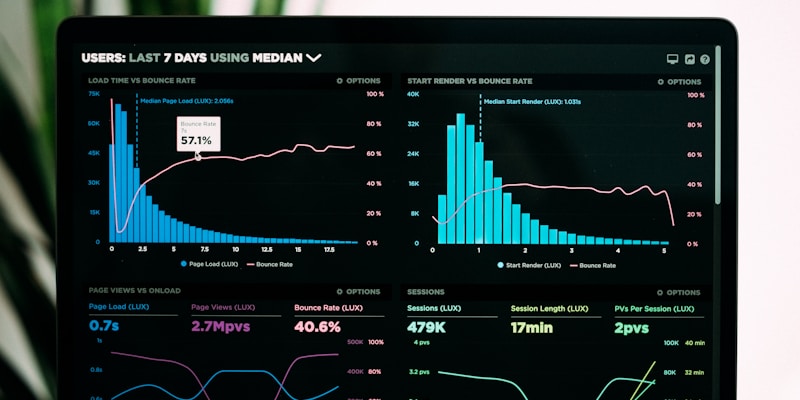
CamelCamelCamel (camelcamelcamel.com) is the most popular free Amazon price tracker. It shows you the complete price history for any Amazon product — going back months or even years. You can see the current price, the average price, the lowest price ever, and the highest price ever. You can also set up price drop alerts via email or Twitter. Before buying anything over $20, check its price history to ensure you're not overpaying.
2. Use Keepa for Advanced Price Tracking
Keepa (keepa.com) is the most powerful Amazon price tracker, offering more features than CamelCamelCamel. It shows price history from Amazon and third-party sellers, tracks coupon availability, shows stock availability history, and offers browser extensions with price history charts directly on Amazon product pages. Keepa's "Price Drop Alert" feature can target specific price points — set it to alert you when a $200 item drops below $150. The basic version is free; the premium version ($19.95/year) adds unlimited alerts and more data.
3. Master the Shopping Calendar
Timing matters enormously on Amazon. Here's the optimal shopping calendar for 2026:
| Time Period | What to Buy | Expected Savings |
|---|---|---|
| January | Electronics, fitness equipment, organizers | 30-50% (post-holiday clearance) |
| February | Jewelry, fragrances, home goods | 20-40% |
| March-April | Spring clothing, garden supplies, outdoor furniture | 25-45% |
| May | Mattresses, appliances (Memorial Day) | 30-50% |
| June | EVERYTHING (Prime Day — usually mid-June) | 40-70% |
| July-August | Back-to-school supplies, laptops, dorm essentials | 25-50% |
| September | Labor Day deals, appliances, fall clothing | 25-40% |
| October | Prime Big Deal Days (October Prime Day) | 30-60% |
| November | EVERYTHING (Black Friday/Cyber Monday) | 40-80% |
| December | Last-minute gifts, holiday decorations (pre-Christmas) | 20-40% |
4. Shop Amazon Warehouse Deals
Amazon Warehouse sells returned, open-box, and used items at significant discounts. Products are inspected and graded: Like New (item in perfect condition, original packaging may be damaged), Very Good (minimal wear, fully functional), Good (moderate wear, fully functional), Acceptable (significant wear but functional). Savings range from 20-70% off retail. Electronics, kitchen appliances, and tools offer the best Warehouse deals. All Warehouse purchases include Amazon's standard return policy.
5. Maximize Subscribe & Save
Subscribe & Save offers 5% off with 1-4 subscriptions and 15% off with 5 or more subscriptions. Stack this with coupons and you can save 25-35% on household essentials. Pro tip: Subscribe to 5 items to unlock the 15% tier, then immediately skip deliveries for the items you don't need right away. The 15% discount applies to your first delivery as long as you have 5+ active subscriptions at the time of shipment.
6. Use the Amazon Assistant Browser Extension
Amazon Assistant is a free browser extension that shows you Amazon's price for products you're viewing on other websites, notifies you of deals, and helps you track your orders. It's particularly useful when comparison shopping — if you're looking at a product on Best Buy's website, Amazon Assistant will show you the Amazon price side-by-side.
7. Hunt Lightning Deals & Today's Deals
Visit amazon.com/deals for continuously updated limited-time offers. Lightning Deals are time-limited (usually 2-6 hours) and quantity-limited — once they're claimed, they're gone. Deal of the Day offers one deep-discount product per category daily. Add deals to your "Watch List" to get notified before they start. The best deals appear between 3 AM - 7 AM ET when most people are sleeping.
8. Check the Amazon Coupons Section
Visit amazon.com/coupons for hundreds of clipable coupons across all categories. Coupons are applied at checkout and can be combined with Subscribe & Save discounts and sale prices. New coupons are added daily, and high-value coupons (20%+) tend to disappear quickly when other deal sites share them.
9. Use the Amazon Trade-In Program
Amazon's Trade-In program lets you exchange eligible items (electronics, books, video games, DVDs) for Amazon Gift Card credit. The process is simple: search for your item, get an instant quote, ship it for free (Amazon provides a prepaid label), and receive gift card credit once the item is received and inspected. Trade-in values aren't the highest compared to selling on eBay, but the convenience is unbeatable.
The single most impactful money-saving strategy is price tracking before buying. Spending 30 seconds checking CamelCamelCamel or Keepa before every purchase over $20 will save the average household $500+ per year by preventing overpriced purchases. Combine this with shopping during Prime Day and Black Friday for maximum savings.
Common Amazon Shopping Problems & Solutions
Even with the best preparation, issues can arise. Here are the 10 most common problems Amazon shoppers face, along with immediate solutions and prevention strategies.
| Problem | Solution | Prevention |
|---|---|---|
| Product arrived damaged | Go to Your Orders → "Return or Replace Items" → select "Arrived damaged/broken." Upload photos. Choose replacement or refund. Amazon typically ships replacements overnight for free. | Check the "Add delivery instructions" to request careful handling. For fragile items, consider choosing "Shipped by Amazon" items. |
| Wrong item delivered | Report immediately through Your Orders → "Problem with order" → "Received wrong item." Amazon will send the correct item with free return shipping for the wrong one. No need to package — in many cases, just hand it to the delivery driver. | Verify the item description and photos match what you ordered before opening the package. Check the shipping label on the box. |
| Late delivery | Check the tracking first — packages are often scanned as "delivered" before actually arriving. If truly late, contact customer service for a free 1-month Prime extension (Prime members) or shipping refund. | Choose items "Shipped by Amazon" for the most reliable delivery estimates. Avoid ordering from overseas sellers if you need fast delivery. |
| Tracking not updating | Wait 24 hours after shipment — tracking updates can be delayed. If still stuck, contact Amazon customer service. They can often see internal tracking data not visible to customers. | This is usually a carrier issue, not preventable. Ensure your shipping address is accurate and complete to avoid routing delays. |
| Payment declined | Try a different payment method, check your card's available balance, verify your billing address matches what your bank has on file, or contact your bank to authorize the Amazon charge. | Keep at least 2 payment methods on file. Notify your bank before making large purchases to prevent fraud holds. |
| Can't cancel order | If the "Cancel" button is gone, the order has entered shipping. Options: (1) Refuse delivery, (2) Return after delivery, (3) Contact customer service immediately to request interception. | Cancel within 30 minutes of placing the order for the highest success rate. Use "Buy Now" only when certain. |
| Refund not received | Check "Your Orders" for refund status. Refunds to credit cards take 3-7 business days. Gift card refunds are instant. If it's been 7+ days, contact customer service with the order number. | Choose Amazon Gift Card as your refund method for instant refunds (the balance stays in your account for future purchases). |
| Seller not responding | If a seller doesn't respond within 48 hours, escalate to Amazon directly through the A-to-Z Guarantee. Go to Your Orders → "Problem with order" → "I need more help" → request A-to-Z claim. | Prefer "Shipped by Amazon" items. For third-party sellers, check their response rate before purchasing (shown on their storefront). |
| Product not as described | Document the discrepancy with photos. Return the item with reason "Not as described." If the seller refuses the return, file an A-to-Z Guarantee claim for a full refund including shipping. | Read 2-3 star reviews for common complaints. Check product dimensions and specifications carefully. Verify the seller is authorized for branded products. |
| Account locked/suspended | Contact Amazon account specialist immediately. This usually happens due to suspicious activity, unusual return patterns, or verification issues. Have your ID and order history ready. Most accounts are restored within 24-72 hours. | Don't make excessive returns (Amazon monitors return rates). Enable 2FA. Don't share your account. Keep your payment and address information current. |
Helpful Tools & Resources for Amazon Shoppers
These free and paid tools will supercharge your Amazon shopping experience. We've personally tested each one and included our honest assessment.
CamelCamelCamel
The most popular free Amazon price tracker. Shows complete price history, current price vs. average, and price drop alerts via email. Browser extension available for Chrome and Firefox.
FREE Visit camelcamelcamel.com →Keepa
The most powerful price tracker with advanced features: price history from multiple sellers, coupon tracking, stock alerts, browser extension with inline charts, and price drop alerts to specific thresholds.
FREEMIUM Visit keepa.com →ReviewMeta
Analyzes Amazon reviews and filters out suspicious ones using statistical analysis. Shows you an "adjusted rating" after removing likely fake reviews. Paste any Amazon product URL to get instant analysis.
FREE Visit reviewmeta.com →
Fakespot
Reviews Amazon listings for authenticity using AI analysis. Provides a letter grade (A through F) for review reliability, highlights inflated ratings, and warns about suspicious seller behavior. Browser extension available.
FREEMIUM Visit fakespot.com →Honey (by PayPal)
Automatically finds and applies coupon codes at Amazon checkout. Also offers price tracking, deal alerts, and a "Honey Gold" rewards program that earns points redeemable for gift cards. Works on 30,000+ stores.
FREE Visit joinhoney.com →Capital One Shopping (formerly WikiBuy)
Automatically compares prices across stores while you shop on Amazon. Shows you if the same item is cheaper elsewhere. Also finds coupons and offers rewards. No Capital One account required.
FREE Visit capitaloneshopping.com →Amazon Assistant
Amazon's official browser extension. Shows Amazon pricing on other websites, notifies you of deals, provides order tracking, and helps you compare products. Best for people who frequently compare Amazon prices against other retailers.
FREE Visit amazon.com/assistant →
Quick Pre-Purchase Checklist
Before you click "Place Your Order," run through this 15-point checklist. Print it out or bookmark this page for every Amazon purchase.
- I checked the price history on CamelCamelCamel or Keepa
- I read at least 5 reviews, including 2-3 star ones
- I filtered reviews by "Verified Purchase"
- I checked the seller's rating and feedback
- I verified the item is "Shipped by Amazon" or a trusted seller
- I checked for available coupons on the product page
- I compared prices with other retailers
- I checked the Q&A section for my specific concerns
- I verified the delivery address is correct
- I checked the estimated delivery date
- I verified the payment method is correct
- I checked the final total including tax and shipping
- I confirmed the item has free returns (if unsure)
- I checked the product dimensions/specifications
- I waited at least 30 minutes before purchasing (for items over $50)
This checklist is designed to prevent impulse purchases and costly mistakes. For items under $20, you can skip some steps. For items over $100, complete every single step without exception.
Conclusion & Final Recommendations
Amazon is the world's largest and most sophisticated online marketplace, and shopping there effectively is a skill worth mastering. In this 10,000+ word guide, we've covered everything from Amazon's 30-year history to the exact steps for placing an order, from spotting fake reviews to using advanced price tracking tools.
Key Takeaways
- Trust but verify: Amazon is safe, but always check seller ratings and use the A-to-Z Guarantee when needed
- Read reviews critically: Filter by Verified Purchase, prioritize 2-3 star reviews, and use tools like ReviewMeta
- Track prices: CamelCamelCamel and Keepa can save you hundreds per year by preventing overpriced purchases
- Time your purchases: Prime Day and Black Friday offer the deepest discounts
- Use Subscribe & Save: For recurring purchases, the 15% discount adds up significantly
- Check Amazon Warehouse: Open-box items at 20-70% off are one of the best-kept secrets
- Enable 2FA: Two-factor authentication is non-negotiable for account security
- Know your rights: The A-to-Z Guarantee protects you from fraudulent sellers
"The best Amazon shoppers aren't the ones who spend the most — they're the ones who spend the smartest. Every tip in this guide is designed to help you get more value for every dollar you spend." — YallaBuy Team
Ready to start shopping smarter? Use the affiliate link below to visit Amazon, and remember: always run through our pre-purchase checklist before buying anything over $50. Your wallet will thank you.
